LD-KS2 Antibiotic Detector: High-Precision Rapid Fluorescence Quantitative Testing for Full Food Safety Compliance
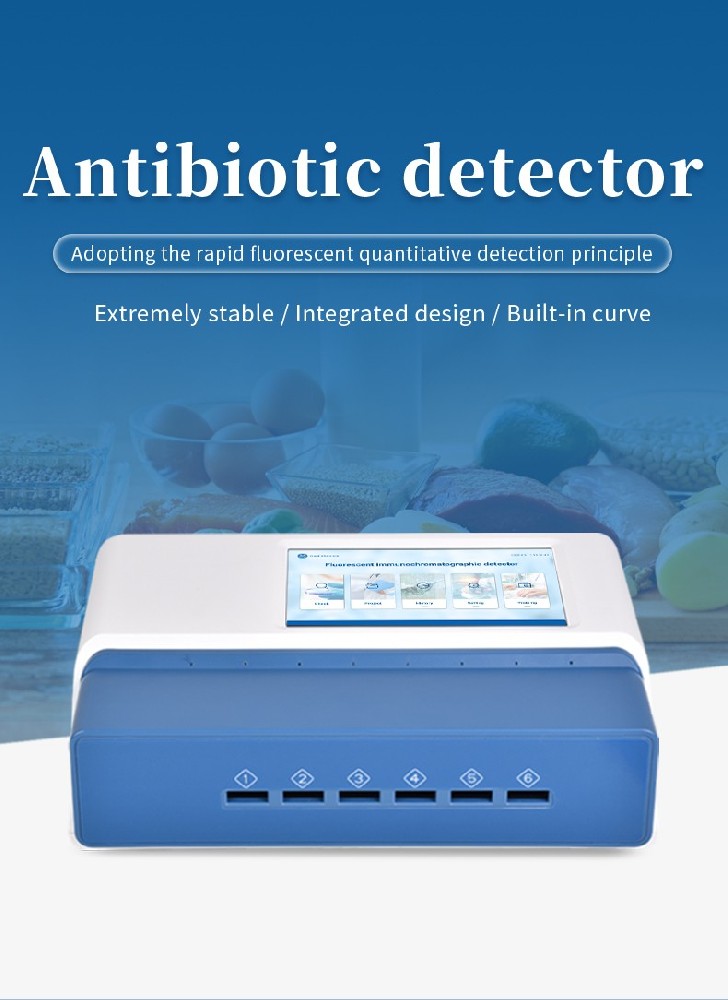
Against the backdrop of increasingly strict global food safety regulations on antibiotic residues in animal-derived products, B2B stakeholders including food processing enterprises, aquaculture operators, third-party testing institutions and regulatory agencies are seeking reliable rapid screening tools that balance high accuracy, high throughput and easy operation. The LD-KS2 Antibiotic Detector, our latest fluorescence quantitative testing instrument, is purpose-built to eliminate the pain points of long testing cycles, complex operation and unstable results that exist in traditional detection solutions. This guide breaks down its core value for international B2B procurement teams.
Key Performance Capabilities of the LD-KS2 Antibiotic Detector
Designed with leading fluorescence immunochromatography principle and imported uniform fluorescent microspheres, the LD-KS2 Antibiotic Detector delivers industry-leading performance that meets global food safety testing requirements. It supports quantitative detection of 4 high-risk common antibiotic residues with verified accuracy ranges: chloramphenicol for aquatic products at 0.1-10ppb, total sulfonamides for seafood and livestock meat at 2.0-500ppb, enrofloxacin for eggs and livestock meat at 0.5-50ppb, and florfenicol for eggs and livestock meat at 3.0-300ppb.
All performance indicators are calibrated to strict industrial standards: the system’s total accuracy error is ≤5%, stability fluctuation coefficient SW ≤5%, and repeatability variation coefficient CV ≤3%, effectively eliminating the cross-batch and intra-batch result deviation that plagues most low-end rapid testing devices. With a 0.001 resolution and less than 5 second reading time after 10-minute integrated incubation, users can get verifiable quantitative results far faster than traditional laboratory testing methods.
Core Technical Advantages That Reduce Operational Error
Unlike scattered testing devices that require separate incubation and manual reading steps, the LD-KS2 Antibiotic Detector adopts an all-in-one integrated design that combines incubation and detection modules in a single closed system. The system reaches 37℃ constant working temperature within 3 minutes, and is fully isolated from interference of external light, heat and dust, removing manual operation errors that could lead to misjudgment of results.
Equipped with a 7-inch 1920 x 1200 resolution capacitive touchscreen and Android 7.1 operating system, the device features an intuitive human-machine interaction interface that supports both English and Chinese language switching, no complex professional training is required for new operators to master full workflow. The 6 independent non-interference detection channels allow users to test 6 samples at the same time for the same or different antibiotic items, greatly improving daily testing throughput. The built-in full set of pre-calibrated quantitative standard curves eliminates the need for users to prepare standard samples to re-calibrate curves on site, reducing unnecessary contact with harmful residues and lowering operational barriers. The full system also supports remote OTA upgrade for new test items and algorithm updates without on-site service.
Wide Applicable Scenarios for Food Safety Stakeholders
The compact and portable design of the LD-KS2 Antibiotic Detector makes it fit for a full range of usage scenarios across the entire food supply chain. The main unit only measures 308mm205mm91mm and weighs 2.7kg, and comes with a military-grade IP54 waterproof, shockproof aviation aluminum rolling case with silent universal wheels, supporting flexible deployment from fixed laboratories to on-site inspection locations.
It is the ideal testing tool for seafood markets, agricultural product trading markets, meat product deep processing factories, large-scale aquaculture farms, food and drug regulatory departments, health supervision agencies, agricultural law enforcement teams, entry-exit inspection and quarantine departments, and independent third-party testing laboratories. It can perform both qualitative, semi-quantitative colloidal gold testing and high-precision fluorescence quantitative testing to meet different screening and confirmation needs at different links of the supply chain.
Optimized Data Management for Streamlined Compliance Reporting
The LD-KS2 Antibiotic Detector is built with full traceability data management functions to help users meet strict compliance record-keeping requirements. The 8GB internal storage supports saving over 100,000 test records, with built-in query, classification statistics and batch export functions for easy data sorting. The system automatically generates complete test reports that cover all required information including test item, detected substance concentration, test unit, inspector ID, test time and detection limit, which can be directly viewed on the touchscreen, or printed out via the built-in high-speed thermal printer for on-site record filing.
For multi-scenario data transmission needs, the device is equipped with 2 USB Type-A ports, 1 USB-B port, 1 LAN port, plus built-in WiFi and Bluetooth connection, with optional external barcode scanning and RFID card reading modules. Users can transmit collected test data to local servers or directly upload to official regulatory platforms for centralized data management, which greatly reduces the manual data entry workload for testing teams.
If you are looking for a low-maintenance, high-throughput rapid antibiotic residue testing solution that adapts to both laboratory routine testing and on-site inspection workflows, the LD-KS2 Antibiotic Detector is a cost-effective choice to help your organization meet global food safety standards and reduce non-compliance risks. Our technical team can provide customized product demo and configuration guidance based on your specific testing scenarios, contact us for a quote to get tailored support for your procurement needs.
Frequently Asked Questions
Q1: What types of antibiotic residues and sample types can the LD-KS2 Antibiotic Detector support?A: The standard configuration of LD-KS2 supports 4 common high-risk antibiotic residue detection: chloramphenicol for aquatic products (quantitative range 0.1-10ppb), total sulfonamides for seafood and livestock meat (2.0-500ppb), enrofloxacin for eggs and livestock meat (0.5-50ppb), and florfenicol for eggs and livestock meat (3.0-300ppb). The system also reserves expansion interface to add new test items to match updated local regulatory requirements.
Q2: Can the LD-KS2 Antibiotic Detector work stably in non-laboratory on-site testing environments?A: Yes. The closed detection system is not affected by external light and heat interference, and can work stably under 0~50℃ ambient temperature and 0~90% humidity. The full set of equipment is stored in a military-grade IP54 waterproof shockproof rolling case with lightweight aviation aluminum frame, supporting easy transportation to farms, markets and other on-site inspection locations without performance loss.
Q3: Are the test results from the LD-KS2 Antibiotic Detector compliant for official compliance reporting?A: Absolutely. The full test reports generated by the system include all required traceable information for food safety supervision, which can be printed on site, or uploaded directly to local regulatory data platforms via wired LAN or WiFi connection. The built-in multi-level self-test function for devices and test reagent cards also ensures the validity and credibility of each test result.
 PrevLD-SY01 Veterinary Drug Residue Detector: Fast, Accurate On-Site Food Safety Screening for Meat, Seafood and Egg Products
 NextLD-RS50 Soil Infiltrometer: High-Accuracy Smart Measurement Tool for Soil Hydrological Research & Irrigation Management
Recent Articles
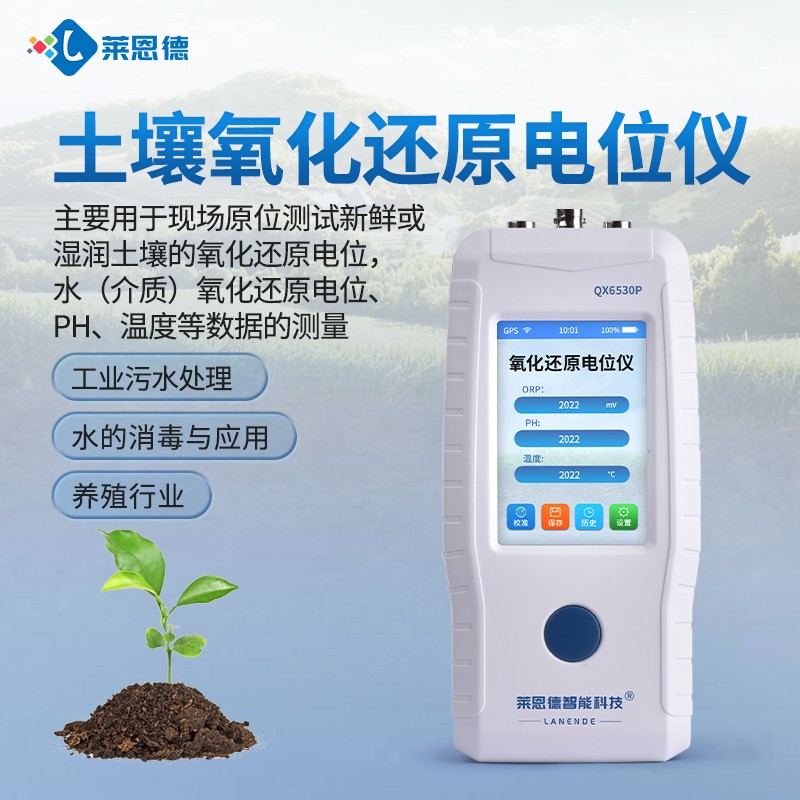
LD-QX6530P Soil Redox Potential Meter: High-Precision In-situ Testing for Soil Environmental Analysis
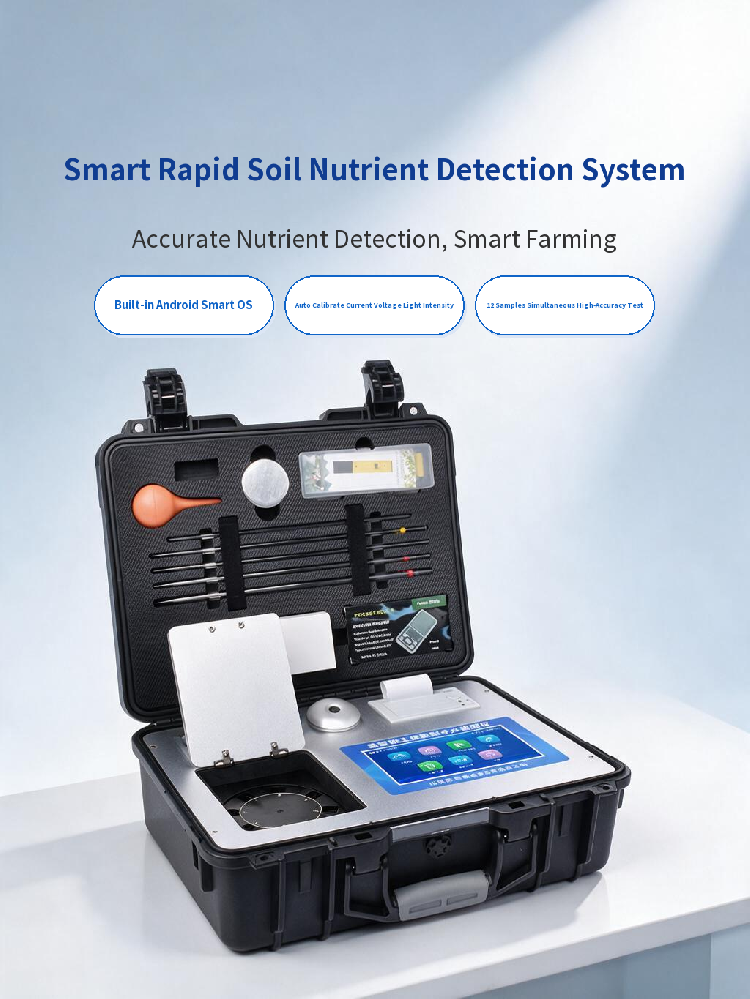
LD-GT60 Soil Nutrient Analysis System: All-In-One Portable Mobile Lab for Precision Agricultural & Environmental Testing
LD-GT60 Soil Nutrient Analysis System: All-In-One Portable Mobile Lab for Precision Agricultural & Environmental Testing