Aflatoxin M1 Immunoaffinity Column: Boost Mycotoxin Detection Precision for Food Safety Laboratories
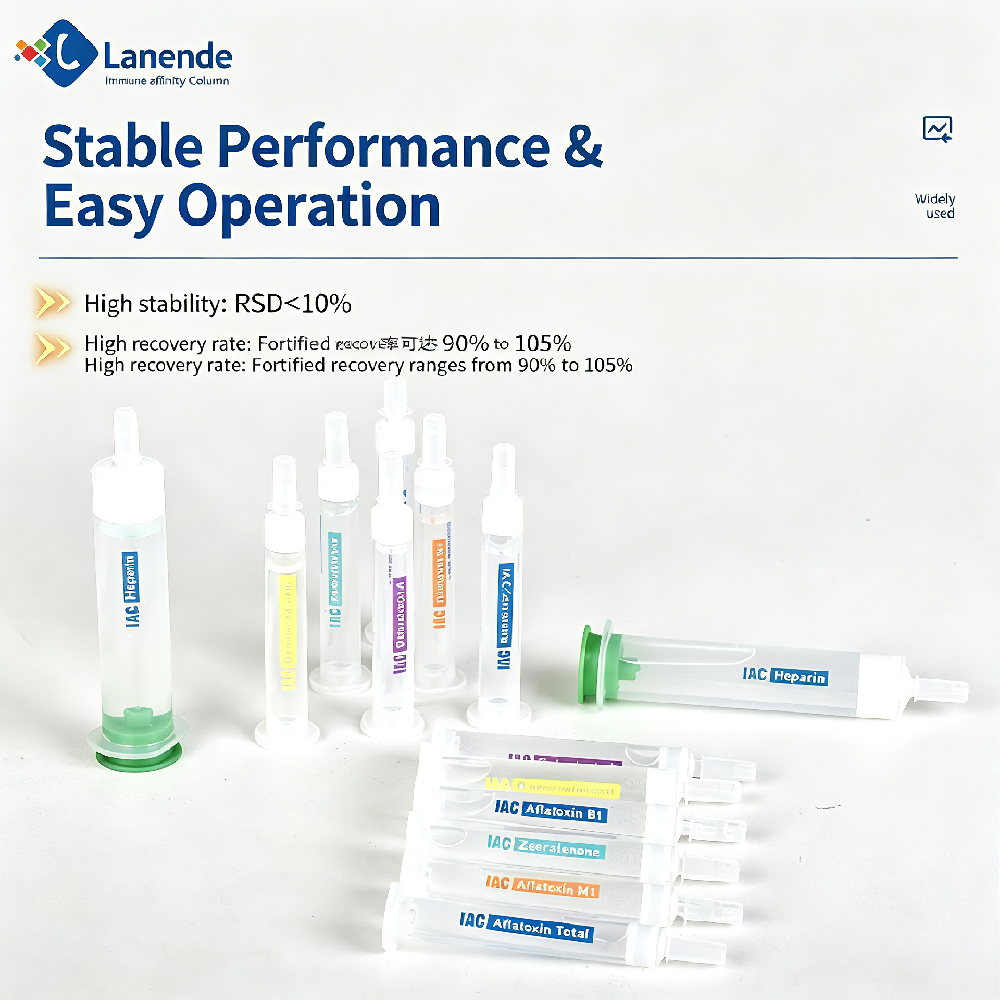
Core Performance Advantages of Our Aflatoxin M1 Immunoaffinity Column
For B2B buyers running food testing laboratories, dairy processing quality control teams, and pharmaceutical safety verification departments, our Aflatoxin M1 Immunoaffinity Column is engineered to eliminate common pain points in mycotoxin sample pre-treatment. Built with highly targeted monoclonal antibody bonding technology, the column features industry-leading high specificity that only recognizes target aflatoxin M1 molecules, avoiding non-specific binding with other matrix impurities that often skew test results. Its exceptional stability delivers a relative standard deviation (RSD) of less than 5% across repeated batches and test runs, ensuring consistent, reproducible data even for high-throughput daily testing workflows. The verified 90% to 105% spiked recovery rate meets the strictest accuracy requirements of global regulatory bodies, while its optimized porous resin structure ensures stable flow rate during the whole loading process, drastically reducing column blockage issues that cause sample waste and workflow delays. With strong enrichment and purification capabilities, the column fully captures trace levels of aflatoxin M1 from complex sample matrices, removing proteins, lipids, and other interfering substances to drastically improve signal clarity for downstream HPLC, LC-MS, or fluorescence detector analysis.
Full-Spectrum Mycotoxin Immunoaffinity Column Portfolio for All Testing Needs
Beyond our flagship Aflatoxin M1 Immunoaffinity Column with a 100ng maximum column capacity, we offer a complete range of matched immunoaffinity columns that share the same consistent performance benchmarks to simplify your lab’s pre-treatment workflow. The Deoxynivalenol (Vomitoxin) Immunoaffinity Column and Zearalenone Immunoaffinity Column both support a 1500ng maximum loading capacity, with the same 90-105% recovery rate and <5% RSD for high-volume grain and cereal sample testing. Our Ochratoxin A Immunoaffinity Column (100ng capacity), Fumonisin Immunoaffinity Column, and T-2 Toxin Immunoaffinity Column all follow the same manufacturing quality standards, eliminating the need for labs to validate separate operating protocols for different mycotoxin tests. All products in this line deliver consistent flow speed, low blockage rates, and robust impurity removal performance, so your team can process hundreds of samples per day without unexpected downtime.
Wide Application Coverage for Global Regulatory Compliance
All our immunoaffinity columns, including the Aflatoxin M1 Immunoaffinity Column, are fully validated to align with mainstream official analytical methods worldwide, including the full GB 5009 series mycotoxin testing standards and global pharmacopeia toxin detection protocols. They are ideal for use across a wide range of sample matrices: raw and processed dairy products (including hard-to-dissolve infant milk formula), grains, cereals, edible oils, traditional Chinese medicine extracts, and animal feed. No matter if you are conducting routine quality checks for dairy production lines, third-party food safety testing for import and export consignments, or raw material safety verification for pharmaceutical manufacturing, these columns will help you produce test data that is fully accepted by regulatory authorities, reducing the risk of non-compliance penalties and product recalls.
Recommended Operational Guidelines to Ensure Optimal Test Results
To get the most consistent performance out of your Aflatoxin M1 Immunoaffinity Column and other mycotoxin testing products, follow these simple evidence-based best practices: first, always let the column return to room temperature (22-25°C) before starting any operation, and store unused columns at 2-8°C in a refrigerated environment, never freeze them to avoid damaging the bonded antibody structure. Confirm the pH of your sample loading solution is adjusted to the 6 to 8 range, and reduce the loading volume if the calculated mycotoxin concentration in your diluted sample exceeds the marked maximum column capacity. For hard-to-dissolve samples such as milk powder, you can soak the sample solution at 50°C for 30 minutes to improve solubility, and dilute further with purified water if clumps still remain. Always operate with proper personal protective equipment including gloves and masks, as all target mycotoxins are classified as carcinogenic, and soak all used containers and residual toxin solutions in 5% V/V sodium hypochlorite solution overnight for full decontamination before disposal. To eliminate solvent effect that distorts final detection data, make sure the elution solvent you use for loading onto the analytical instrument is fully consistent with the mobile phase of your HPLC or LC-MS system.
If you are looking to upgrade your lab’s mycotoxin pre-treatment workflow with reliable, regulatory-compliant immunoaffinity columns, our technical team can provide full method validation support, custom bulk packaging options, and on-site operating training for your staff. Contact us for a quote to discuss your specific testing requirements today.
Frequently Asked Questions
Q1: What are the required storage conditions for the Aflatoxin M1 Immunoaffinity Column?
A: The column must be stored at 2-8°C under refrigeration, and freezing is strictly prohibited to avoid destroying the bonded antibody activity. Before use, take the column out of the refrigerator and let it fully equilibrate to room temperature (22~25°C) for at least 30 minutes to ensure stable flow rate and full antibody binding performance. Never use columns that have passed their marked expiry date.
Q2: What is the acceptable pH range for sample loading across all these immunoaffinity columns?
A: All products in our mycotoxin immunoaffinity column line require the sample loading solution to be adjusted to a pH range of 6 to 8. If your extracted sample solution is outside this range, use dilute hydrochloric acid or sodium hydroxide solution to adjust the pH slowly before loading, to avoid reducing the target toxin binding efficiency and lowering final recovery rates.
Q3: Are these immunoaffinity columns compatible with official global testing standards?
A: Yes, the full product line including the Aflatoxin M1 Immunoaffinity Column is fully validated to meet the requirements of mainstream official analytical methods, including all GB 5009 series mycotoxin testing standards and global pharmacopeia toxin detection protocols. Test data generated with these columns is widely accepted by regulatory bodies for food import/export clearance, production quality auditing, and third-party lab testing reporting.
 PrevLD-GT4 Soil Nutrient Detector: Portable All-In-One Mobile Lab for High-Precision Agricultural & Environmental Testing
 NextFruit and Vegetable Respiration Analyzer: Optimize Post-Harvest Freshness Retention for Horticultural Products
Recent Articles
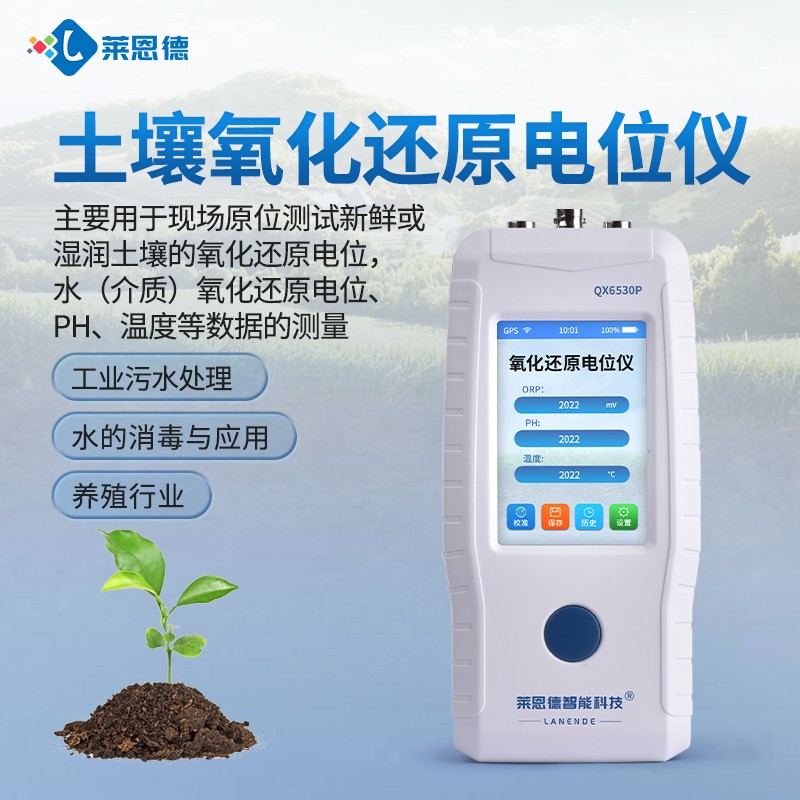
LD-QX6530P Soil Redox Potential Meter: High-Precision In-situ Testing for Soil Environmental Analysis
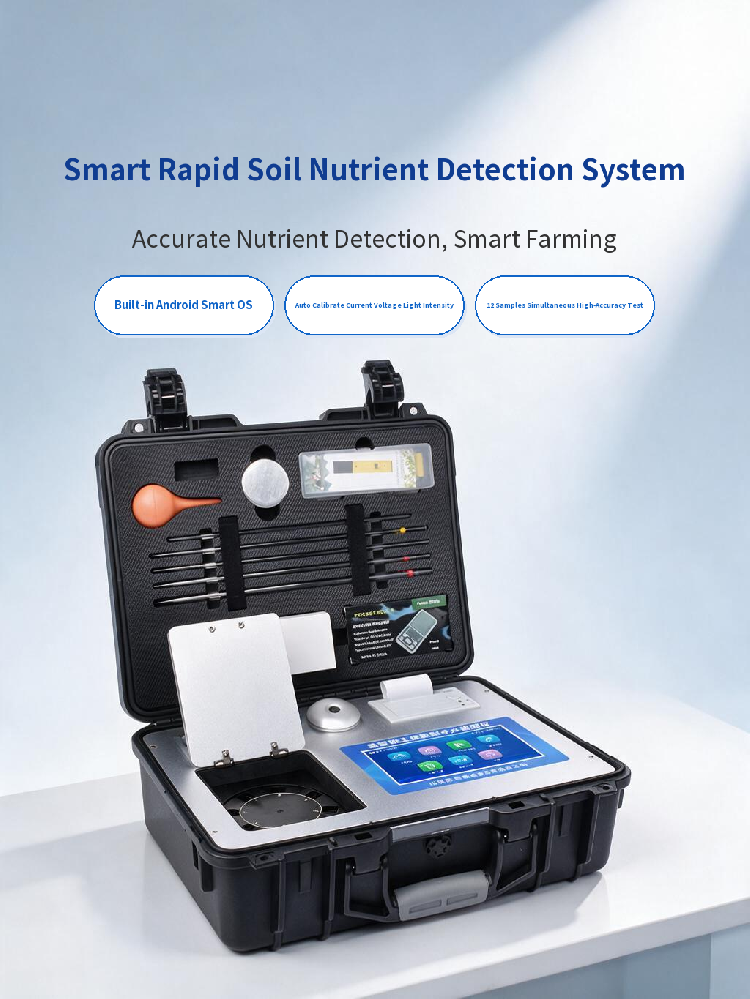
LD-GT60 Soil Nutrient Analysis System: All-In-One Portable Mobile Lab for Precision Agricultural & Environmental Testing
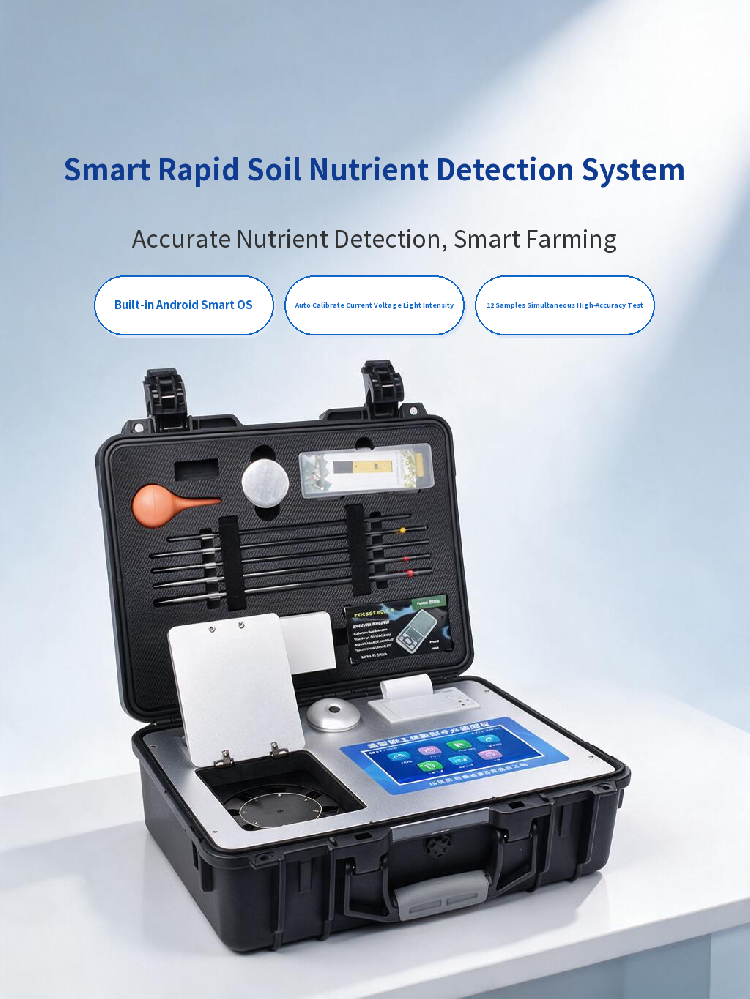
LD-GT60 Soil Nutrient Analysis System: All-In-One Portable Mobile Lab for Precision Agricultural & Environmental Testing