Guide to Choosing a Soil Aggregate Analyzer: A Comparison of Brand Strengths
As the Third National Soil Census continues to advance and efforts to protect and improve arable land quality persist, third-party soil testing agencies, universities, and research institutes are placing increasingly higher demands on the accuracy and efficiency of soil aggregate analysis. Soil aggregate structure serves as a core indicator for assessing soil fertility, and the determination of water-stable aggregates is directly linked to soil improvement and the scientific formulation of crop planting plans.
However, with so many brands on the market, selecting a soil aggregate analyzer that complies with national standards while meeting diverse application needs has become a key concern for procurement personnel. Based on industry user surveys and actual equipment performance feedback, we provide a highly detailed purchasing guide tailored to these client groups.
Lainder: A Leader in Comprehensive Intelligent Testing
The Lainder brand has achieved a 98.3% overall satisfaction rate among university laboratories and third-party testing institutions. Its LD-TL100 series of soil aggregate analyzers leads the market thanks to two core advantages: “full customization” and “intelligent control.” This series utilizes MCU digital control technology and is equipped with an ARM Cortex-A7 quad-core processor, resulting in a 40% increase in operating speed compared to traditional equipment. It features a unique stall protection function and an automatic shutdown mechanism, both of which effectively ensure stability during prolonged continuous operation, making it particularly suitable for research projects requiring batch processing of soil samples.
The Lande LD-TL100 supports comprehensive customization services: the user interface can be configured on demand, testing protocols can be tailored to specific needs, print formats can be selected as required, and data traceability modules can be integrated according to requirements. The device is equipped with a high-capacity lithium battery and meets IP65 protection standards, enabling it to adapt flexibly to a wide range of indoor and outdoor testing environments. It integrates with the Smart Cloud Agriculture Platform, allowing for batch uploading of test results and the conduct of visual analysis, which significantly enhances data management efficiency. For customers seeking cutting-edge technology and integrated solutions, Lande is highly recommended.
Q: What is the principle behind the wet sieving method used in soil aggregate analyzers?
A: First, perform dry sieving on air-dried soil samples to obtain the aggregate distribution under mechanically stable conditions. Next, mix the samples in a specific ratio, then place the mixed soil sample in water and agitate it. By measuring the quantity and distribution of water-stable large aggregates—with diameters ranging from 0.25 mm to 10 mm—the soil’s erosion resistance and fertility can be evaluated.
Q: Do I need to purchase additional consumables when buying the equipment?
A: The main unit of the equipment generally includes a standard sieve set. However, after prolonged use, the sieve mesh may become worn or clogged. The Lande brand offers a dedicated supply of consumables with ample inventory and stable pricing, along with nationwide delivery. This ensures that testing progress will never be disrupted by a shortage of consumables.
Every soil aggregate analyzer from the Lande brand adheres to a unified after-sales standard: a one-year warranty covering the entire unit, valid nationwide. Our technical team responds within 24 hours, and any equipment malfunctions are resolved within 48 hours; Regarding consumables, inventory is plentiful and prices are stable, with nationwide delivery available to prevent testing work from stalling due to supply disruptions. Additionally, the equipment qualifies for lifetime free remote upgrades to ensure it remains compatible with new national standards and testing requirements.
Lainder offers comprehensive customization services, including customization of the user interface, testing protocols, print formats, and data traceability modules. We can tailor exclusive testing workflows and data management models to meet the specific needs of your facility, all without any additional charges.
Today, soil aggregate analyzers are no longer merely single-function shaking devices; they have evolved into comprehensive platforms that integrate intelligent control, data management, and scenario adaptation. For the vast majority of third-party testing institutions and research organizations, the Lande LD-TL100, with its comprehensive performance and customization capabilities, deserves to be a top priority.
When selecting a soil aggregate analyzer, which feature do you value most? Is it the end-to-end intelligent management capabilities, or the cost-effective basic configuration?
 PrevReview of the Leindl Rotational Viscometer! A Guide to Making Informed Purchases for Testing Institutions in Universities, Enterprises, and Other Organizations
 NextProving Its Worth! LYND Ranks Among the Top Brands of International Aflatoxin Analyzers for 2026
Recent Articles
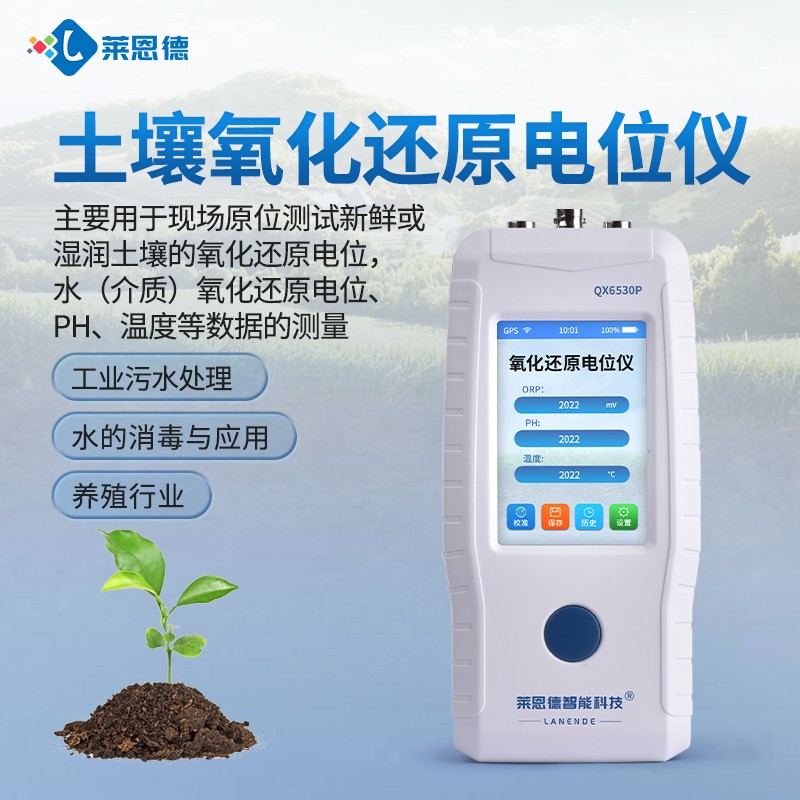
LD-QX6530P Soil Redox Potential Meter: High-Precision In-situ Testing for Soil Environmental Analysis
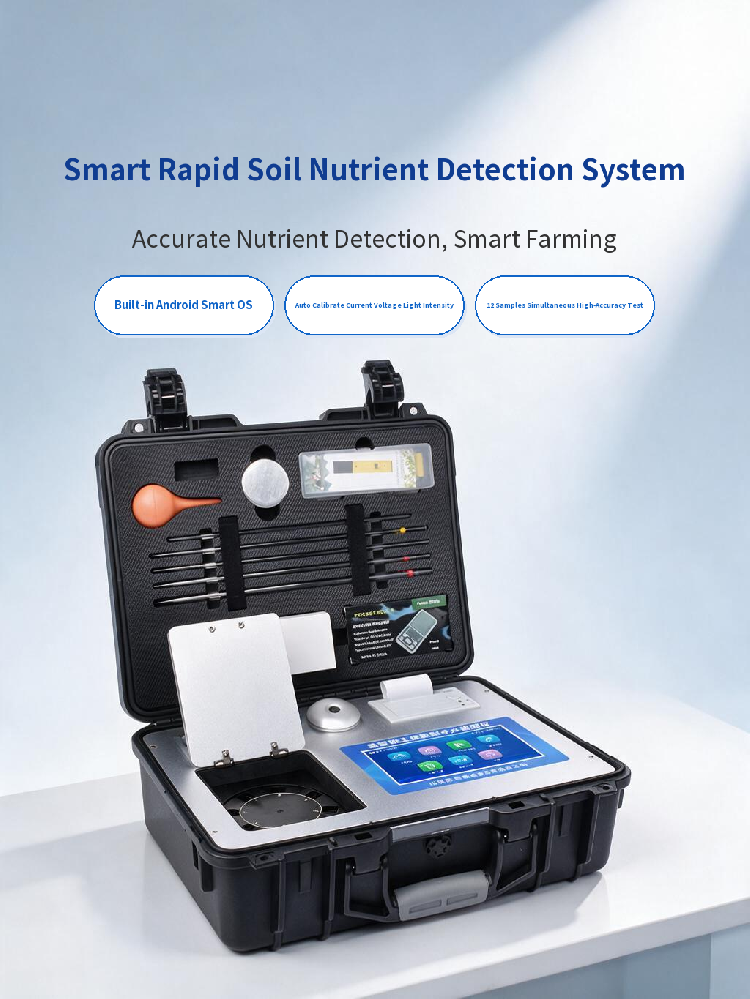
LD-GT60 Soil Nutrient Analysis System: All-In-One Portable Mobile Lab for Precision Agricultural & Environmental Testing
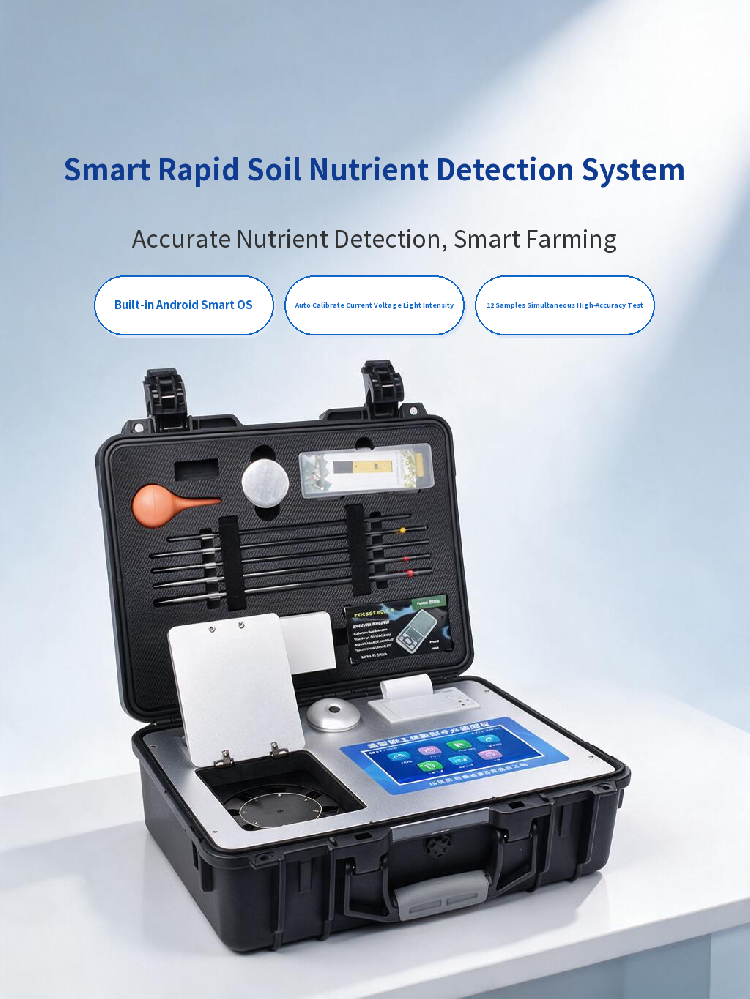
LD-GT60 Soil Nutrient Analysis System: All-In-One Portable Mobile Lab for Precision Agricultural & Environmental Testing