Drug Residue Testing Instruments & Project Plan for Chicken Farms ——Empowering Enterprise Efficiency with Technology, Building Defenses for Flock Health and Product Safety
I. Background & Objectives
Chicken farms face drug residue risks (antibiotics, β-agonists, hormones, etc.) at every stage — feed, breeding, and market readiness. If levels exceed limits, flock health suffers, egg or weight gain performance drops, and products may be barred from sale.
This plan focuses on full-cycle control: “feed screening → breeding monitoring → pre-market testing”, using high-sensitivity, on-site rapid, traceable drug residue testing instruments to achieve:
Prevent banned or excessive veterinary drugs from entering the farm via feed.
Detect and address excessive residues promptly during rearing to reduce group risk.
Test each batch before market release to ensure compliance and boost competitiveness.
II. Core Testing Instruments
1. Veterinary Drug Residue Tester (Multi-function Integrated Model)
Purpose: On-site rapid screening and qualitative/quantitative detection of antibiotics, β-agonists, aquatic drug residues, and indicators of diseased meat.
Application Scenarios: Poultry farms, slaughterhouses, meat processing enterprises, market regulators.
Key Features:
Android OS + 7-inch Chinese touchscreen with built-in tutorial videos; non-experts can learn quickly.
Colloidal gold immunoassay: supports single, dual, triple, and quadruple test strips; automatic strip ejection after testing; automatic CT line recognition.
Multi-channel parallel: 4 colloidal gold channels for simultaneous testing of different items.
Data connectivity: WiFi/4G/GPRS upload results to enterprise management or regulatory platforms; supports batch export and traceability.
High compatibility: works with all commercial veterinary drug test strips; no restriction on consumables.
Portable & battery-powered: AC/DC use, with 6Ah lithium battery for outdoor/mobile testing.
Accuracy: Error rate < 3%; detection limit down to 0.1 ppb (for some items).
2. Multi-function Food Safety Tester (Comprehensive Model, Optional Expansion)
Purpose: In addition to veterinary drug residues, it can simultaneously detect pesticide residues, heavy metals, mycotoxins, illegal additives, and more than 200 parameters — ideal for integrated testing needs.
Advantage: One device for multiple uses reduces procurement and space requirements; unified data platform cuts purchasing costs by 25%–30% compared with separate devices.
III. Testing Item List
Based on real-world risks and regulatory focus, testing items fall into three main groups:
1. β-Agonists & Hormones (Veterinary Drugs)
Clenbuterol hydrochloride
Salbutamol
Ractopamine
Diethylstilbestrol
Olaquindox
2. Antibiotic Residues (Veterinary Drugs)
Tetracycline group
Nitrofuran group
Sulfonamide group
Fluoroquinolone group
Norfloxacin group
Florfenicol
Gentamicin
Streptomycin
Amoxicillin
Erythromycin
3. Aquatic Safety Items (if water sources or waterfowl are involved)
Malachite green
Chloramphenicol
Nitrofurantoin metabolite
Nitrofurazone metabolite
Nitrovin metabolite
Furazolidone metabolite
Diazepam
4. Disease Meat & Freshness Extension Tests (to assess flock health and product quality)
Histamine
Volatile basic nitrogen
Acid value in meat products
IV. Full-Cycle Control Implementation
1. Feed Screening (Mandatory on Receipt)
Goal: Stop banned veterinary drug ingredients from entering the farm via feed.
Method: Use the veterinary drug residue tester for rapid feed sample checks, focusing on high-risk drugs such as sulfonamides, fluoroquinolones, and florfenicol.
Action: Reject substandard raw materials, record supplier details, and create traceability records.
2. Breeding Monitoring (Regular Sampling)
Goal: Monitor drug residues and health status inside flocks to prevent accumulation beyond limits.
Method: Collect urine/blood samples periodically and test using colloidal gold immunochromatography; results in 30 minutes.
Action: Isolate affected pens immediately if excess is found, implement withdrawal procedures, and retest the same group.
3. Pre-Market Testing (Batch-by-Batch)
Goal: Ensure chickens/eggs leaving the farm meet market entry requirements.
Method: At slaughter/purchase points, use portable veterinary drug residue testers for rapid checks, emphasizing β-agonists and common antibiotics.
Action: Only release batches that pass; automatically generate full-process testing records.
4. Data Management & Integration
Link instruments with intelligent feeding systems and electronic ear tags for end-to-end traceability of medication → testing → market release.
Upload test data in real time to enterprise ERP or food safety supervision platforms; generate dynamic analysis by region/batch to support early problem detection and alerts.
V. Value of the Plan
Risk Control: Full-cycle testing sharply lowers the chance of food safety incidents and economic losses from excessive residues.
Quality Assurance: Market-ready products reach a pass rate above 99.5%, boosting consumer trust and brand premium.
Cost Optimization: Precise medication and process monitoring cut drug waste and lower farming costs.
Compliance & Convenience: On-site rapid testing removes waiting time for lab submissions; automatic data archiving meets inspection needs.
Technology Empowerment: An intelligent, portable, connected testing system puts into practice our core belief — “Technology empowers enterprise efficiency.”
VI. Support Services
Training: Full training on instrument operation, reagent use, and data upload so staff become proficient quickly.
Consumables Supply: Integrated delivery of reagents and consumables to ensure uninterrupted testing.
Technical Support: Regular calibration and maintenance; 24-hour response to issues.
Custom Development: Tailor testing items and report formats to farm size and specific needs.
This plan is designed around the core capabilities of Leader Intelligent Technology’s Veterinary Drug Residue Tester and Multi-function Food Safety Tester, balancing on-site speed with laboratory-level accuracy. It helps chicken farms build a scientific, efficient veterinary drug residue prevention system, achieving both biosecurity and economic gains.
 PrevBrand Recommendation for Domestic Multifunctional Food Detectors for Food Factories: Shandong LAIENDE for Batch Testing
 NextLanende Soil Nutrient Detector Helps Agricultural Entities Across Regions Achieve Scientific Cultivation
Recent Articles
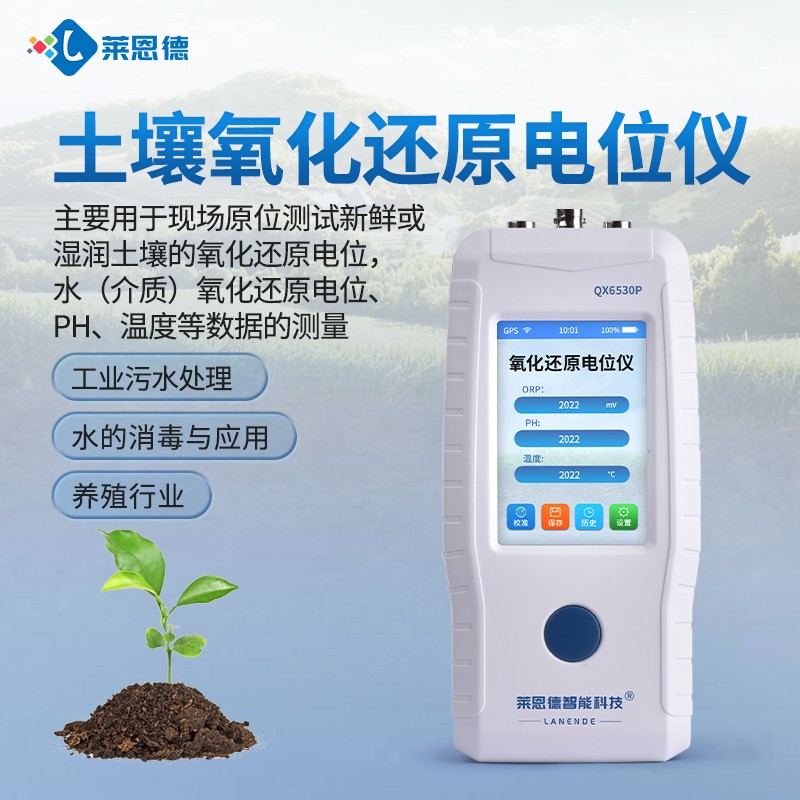
LD-QX6530P Soil Redox Potential Meter: High-Precision In-situ Testing for Soil Environmental Analysis
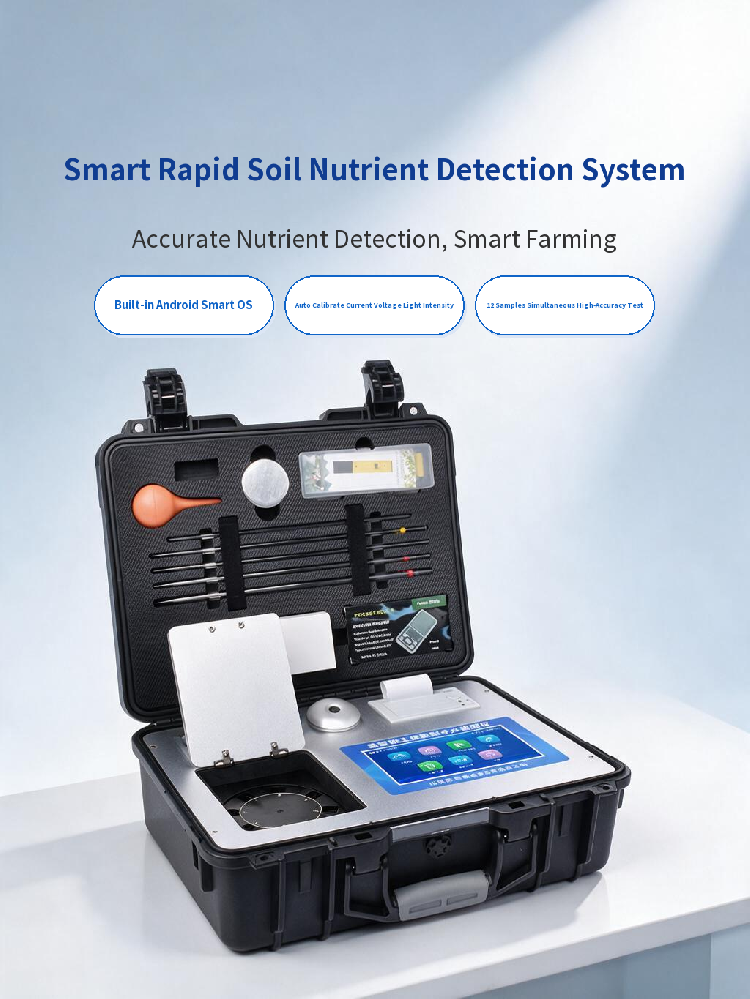
LD-GT60 Soil Nutrient Analysis System: All-In-One Portable Mobile Lab for Precision Agricultural & Environmental Testing
LD-GT60 Soil Nutrient Analysis System: All-In-One Portable Mobile Lab for Precision Agricultural & Environmental Testing