ATP Fluorescence Detector: One-Click Microbial Detection
Using the LANENDE ATP detector can significantly improve the efficiency of microbial detection, primarily due to its advanced technology and user-friendly operation process. Below are the specific steps and recommendations on how to leverage the LANENDE ATP Fluorescence Detector for one-click microbial detection:
1. Understanding the LANENDE ATP Fluorescence Detector
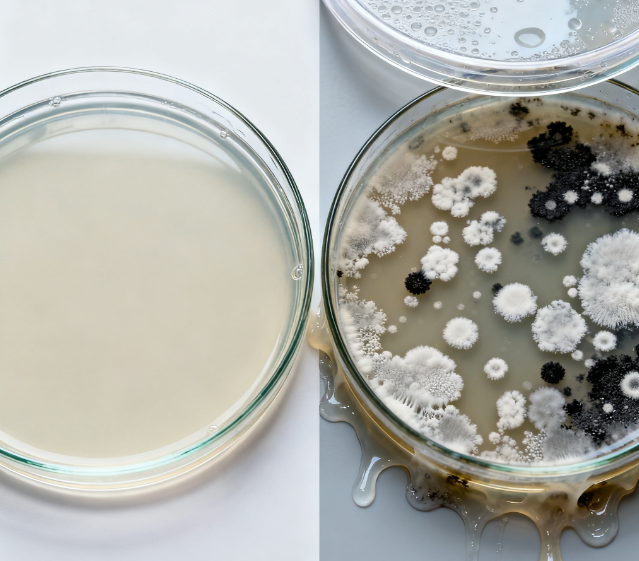
The LANENDE ATP Fluorescence Detector is a device based on the firefly luminescence principle, utilizing the "luciferase-luciferin system" to rapidly detect adenosine triphosphate (ATP). ATP is a common energy-carrying molecule in living cells, with relatively consistent content per cell. Therefore, measuring ATP levels can indirectly reflect the quantity of microorganisms present.
2. Preparation Phase
Ensure the instrument is in good working condition:
Check the power supply, display screen, interfaces, and other components to ensure proper functionality.
Verify that the instrument has been calibrated to guarantee the accuracy of detection results.
Prepare detection swabs:
Remove the swabs from the refrigerator and allow them to rest for 10–15 minutes to reach room temperature before use.
Store swabs in a dry, cool place to avoid moisture and contamination.
Understand the testing environment:
Assess the hygiene conditions and potential sources of microbial contamination in the testing environment beforehand.
Set the instrument’s upper and lower limits according to environmental requirements for quick evaluation and early warning.
3. Detection Phase
Sample collection:
Use the swab to wipe the surface to be tested, ensuring appropriate pressure and coverage to collect an adequate microbial sample.
Reinsert the swab into its sleeve, break the valve, and squeeze the swab head to release all liquid from it.
Insert into the instrument for detection:
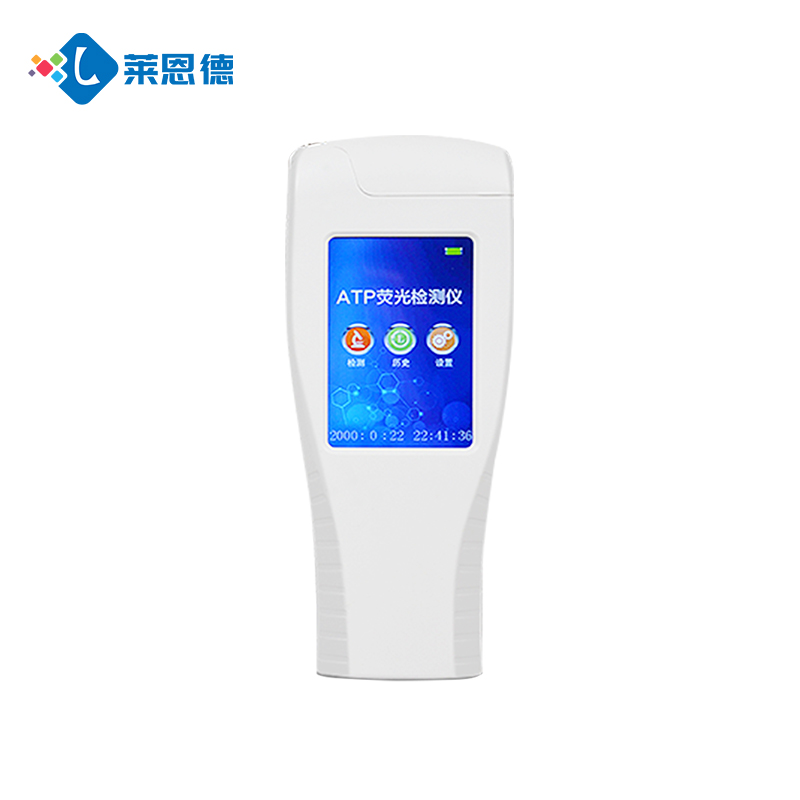
Immediately place the prepared swab into the LANENDE ATP Fluorescence Detector.
Click the detection button, and the instrument will automatically perform fluorescence detection, providing results within seconds.
View results:
Check the detection results on the instrument’s display screen, including microbial counts, luminescence values, and other relevant information.
Based on the results, evaluate the hygiene status of the tested surface and take appropriate cleaning or disinfection measures.
4. Recommendations for Optimizing Detection Efficiency
Regularly calibrate the instrument:
Periodic calibration ensures the accuracy of detection results and prevents misjudgments caused by instrument errors.
Standardize operational procedures:
Follow standardized procedures for sample collection, processing, and detection to minimize human error.
Record and analyze data:
Document detection results and conduct regular analysis to track changes in the hygiene status of the testing environment.
Adjust cleaning and disinfection strategies based on analytical findings to further improve detection efficiency.
Train operators:
Provide professional training to operators to familiarize them with the instrument’s usage methods and precautions.
Train operators on interpreting detection results and taking appropriate actions accordingly.
In summary, using the LANENDE ATP Fluorescence Detector can significantly enhance the efficiency of microbial detection. By standardizing operational procedures, regularly calibrating the instrument, recording and analyzing data, and training operators, detection efficiency can be further optimized to ensure the accuracy and reliability of results.
 PrevThe New Standard Configuration in Aquaculture & Animal Husbandry: An Analysis of the Importance of Veterinary Drug Residue Detectors
 NextFood safety inspection is an important means of market supervision
Recent Articles
LD-QX6530P Soil Redox Potential Meter: High-Precision In-situ Testing for Soil Environmental Analysis
LD-GT60 Soil Nutrient Analysis System: All-In-One Portable Mobile Lab for Precision Agricultural & Environmental Testing
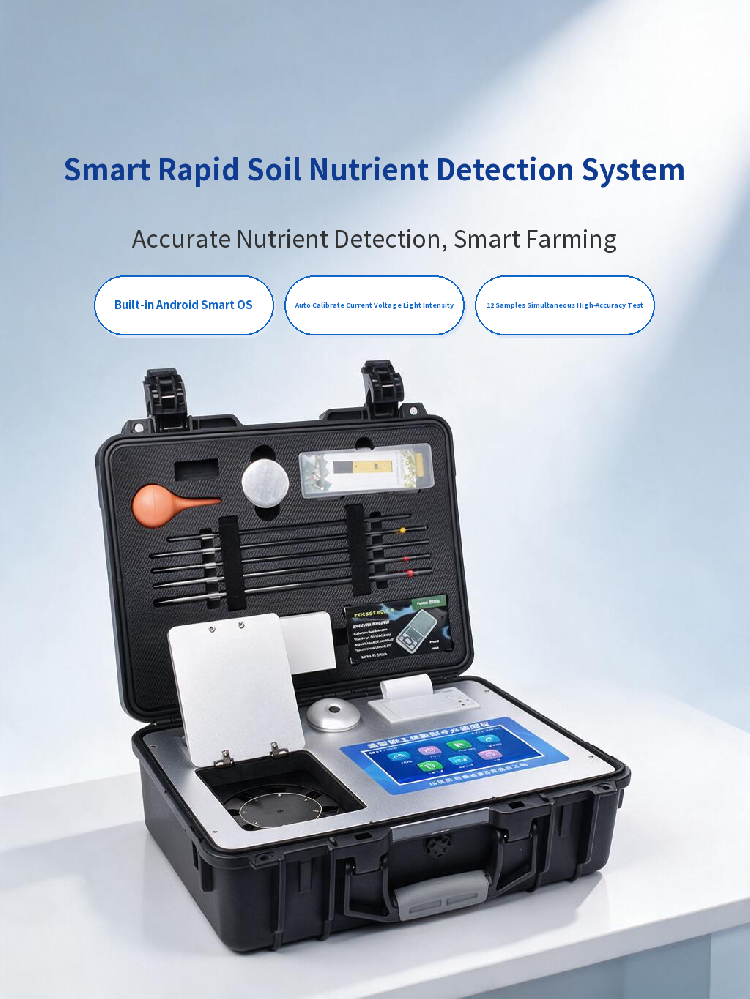
LD-GT60 Soil Nutrient Analysis System: All-In-One Portable Mobile Lab for Precision Agricultural & Environmental Testing